
Buffalograss, blue grama and natives
Native Grass & Dryland Seeding in Denver, CO
Shortgrass prairie species that fit Front Range rainfall better than a bluegrass lawn.
- No-charge site visits, with every estimate in writing
- Seed mixes picked for your elevation, sun and water
- Estimates that list prep, seed, mulch and slope work separately
Grass That Belongs on the High Plains
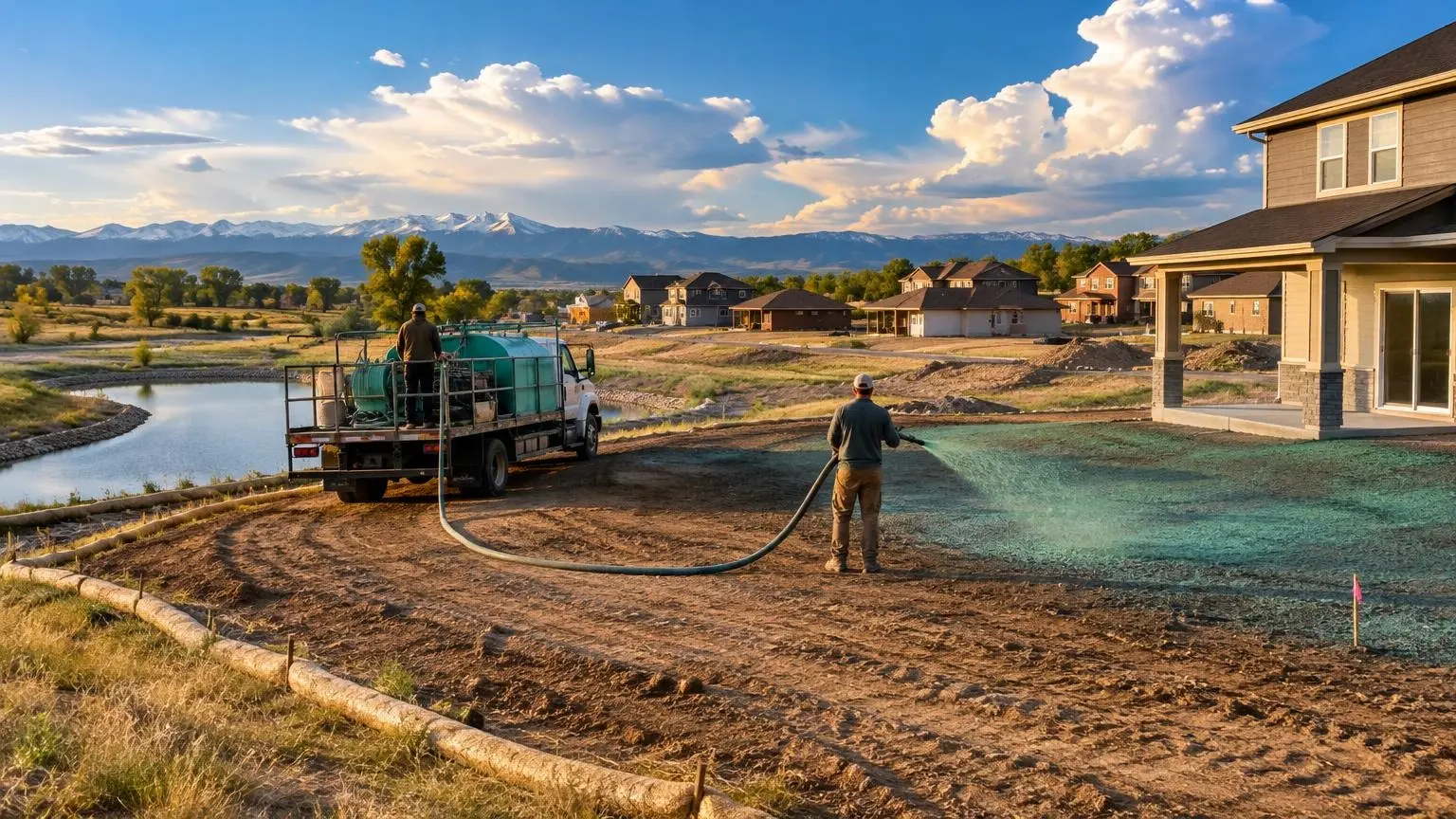
Native grass and dryland seeding in Denver puts back the kind of plants that covered the High Plains before the city did. Shortgrass prairie grasses such as buffalograss and blue grama evolved with this climate: about 14.5 inches of precipitation a year, strong sun and long dry spells. We seed them for low-water lawns, acreage, open space, slopes and the parts of a property where irrigation does not reach, and we add native wildflowers where clients want color.
Why natives fit here
Blue grama is the main native grass on plains soils like the USDA's Ascalon series, a soil of large extent across eastern Colorado. CSU Extension lists both among the grasses that work for Colorado lawns. They are warm-season grasses: they grow most in summer, CSU notes they make their main growth in late June and July, and they turn tan when they go dormant in fall and winter. People who accept that brown season get a lawn that needs far less water and mowing than bluegrass.
Where they work and where they do not
Elevation is the first check. CSU says buffalograss is limited to about 6,500 feet or lower, which covers most of the metro but not the highest southern suburbs such as Castle Pines. Shade is the second: these are full-sun grasses. Traffic is the third: native lawns handle normal use but do not stand up to the wear a bluegrass sports field can. Where a native lawn is not a good fit, a dryland mix of other species or turf-type tall fescue may be.
Timing a native seeding
CSU Extension says warm-season grasses like buffalograss are usually seeded in May or June, once the soil is warm. That lines up with the start of Denver's wetter season, which runs from April through August, but the seed still needs moisture to germinate. On irrigated ground we give you a short watering schedule for the first several weeks. On non-irrigated ground we time seeding for the best chance of rain and use mulch heavy enough to hold moisture and seed through the first storms.
Wildflowers and mixed native plantings
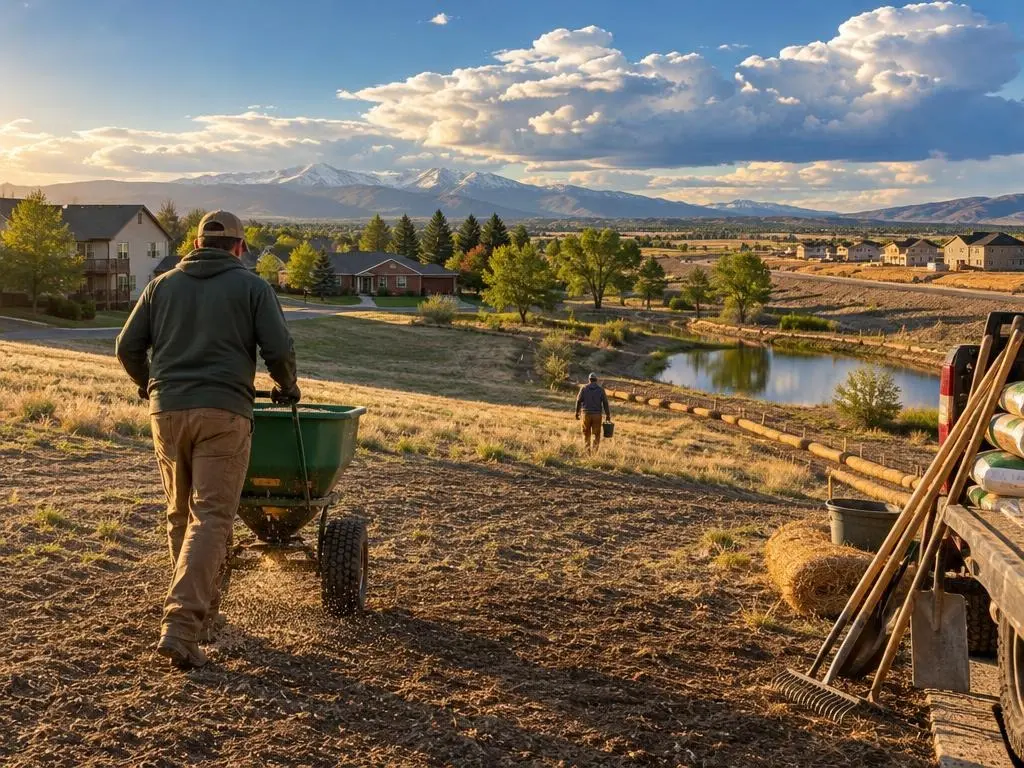
Native wildflower seeding works well in open areas, on slopes and along the edges of larger properties. Wildflowers usually go in as part of a grass mix so the grass holds the soil while the flowers establish, and many native wildflowers take more than one season to bloom well. We help you choose a mix suited to your soil, sun and how wild you want the area to look.
Weeds are the main threat
Native grasses start slower than bluegrass, so weeds get a head start. Controlling perennial weeds before the soil is disturbed, as CSU recommends for any seeding, matters even more here. Mowing tall weeds during the first summer keeps them from shading out the young grass.
Native Seeding Work
From a low-water front yard to several acres of open ground.
Buffalograss lawns
Low-water warm-season lawns for sunny yards below about 6,500 feet.
Blue grama and native mixes
Shortgrass prairie blends for acreage, open space and dryland areas.
Wildflower seeding
Native flower mixes added to grass seedings for color.
Lawn conversion
Removing thirsty turf and reseeding with natives.
Slope and open space seeding
Native mixes with heavy mulch or blankets on non-irrigated ground.
Native Seeding Costs
| Item | Published range |
|---|---|
| Hydroseeding per acre (LawnStarter) | $2,136 to $4,897 |
| Hydroseeding per acre (Fixr) | $2,000 to $4,000 |
| Hydroseeding per sq ft (HomeAdvisor) | $0.06 to $0.20 |
| Hand-broadcast erosion seed, per acre (2025 erosion unit costs from a state DOT) | $372 |
| Native grass or wildflower mix | No current published figure; quoted once we walk your ground |
There is no current published consumer price for native meadow seeding, so these are the closest general seeding figures. Seed mix, soil prep and mulch change every job, and the written estimate we give you after the site visit is the price.
How a Native Seeding Goes
1. Check fit
Elevation, sun, traffic and water decide which natives make sense.
2. Clear weeds
Perennial weeds controlled before the soil is worked.
3. Prepare the seedbed
Soil loosened and smoothed for good seed contact.
4. Seed in late spring
Native mix sprayed with mulch once the soil warms.
5. First-year care
Light watering where possible and mowing tall weeds.
Why Choose Us for Native Grass & Dryland Seeding
Honest about the brown season
We make sure you know what a dormant native lawn looks like before you choose one.
Elevation-aware
We will not sell you buffalograss on ground too high for it.
Weed control planned
First-year weed management is part of the plan, not an afterthought.
Native Grass & Dryland Seeding Questions
Does a buffalograss lawn need watering?
It needs water to establish. Once established it uses much less than bluegrass, though some summer water keeps it greener.
Will a native lawn stay green all year?
No. Buffalograss and blue grama are warm-season grasses that go tan after the first hard frosts and green up in late spring.
Can I mix bluegrass and buffalograss?
They grow on different schedules and need different water, so they usually do not mix well in one lawn. Many yards use bluegrass near the house and natives farther out.
When should native grass be seeded in Denver?
CSU Extension says buffalograss is usually seeded in May or June, once the soil is warm.
Native Grass & Dryland Seeding Service Areas
- Hydroseeding in Denver, CO
- Hydroseeding in Aurora, CO
- Hydroseeding in Lakewood, CO
- Hydroseeding in Arvada, CO
- Hydroseeding in Westminster, CO
- Hydroseeding in Thornton, CO
- Hydroseeding in Centennial, CO
- Hydroseeding in Highlands Ranch, CO
- Hydroseeding in Castle Rock, CO
- Hydroseeding in Parker, CO
- Hydroseeding in Littleton, CO
- Hydroseeding in Broomfield, CO
- Hydroseeding in Commerce City, CO
- Hydroseeding in Brighton, CO
- Hydroseeding in Northglenn, CO
- Hydroseeding in Golden, CO
- Hydroseeding in Wheat Ridge, CO
- Hydroseeding in Englewood, CO
- Hydroseeding in Lone Tree, CO
- Hydroseeding in Castle Pines, CO
- Hydroseeding in Erie, CO
- Hydroseeding in Superior, CO
- Hydroseeding in Louisville, CO
- Hydroseeding in Ken Caryl, CO
Get a Native Grass & Dryland Seeding Estimate
Ask about a low-water native lawn for your property.